
6 min read
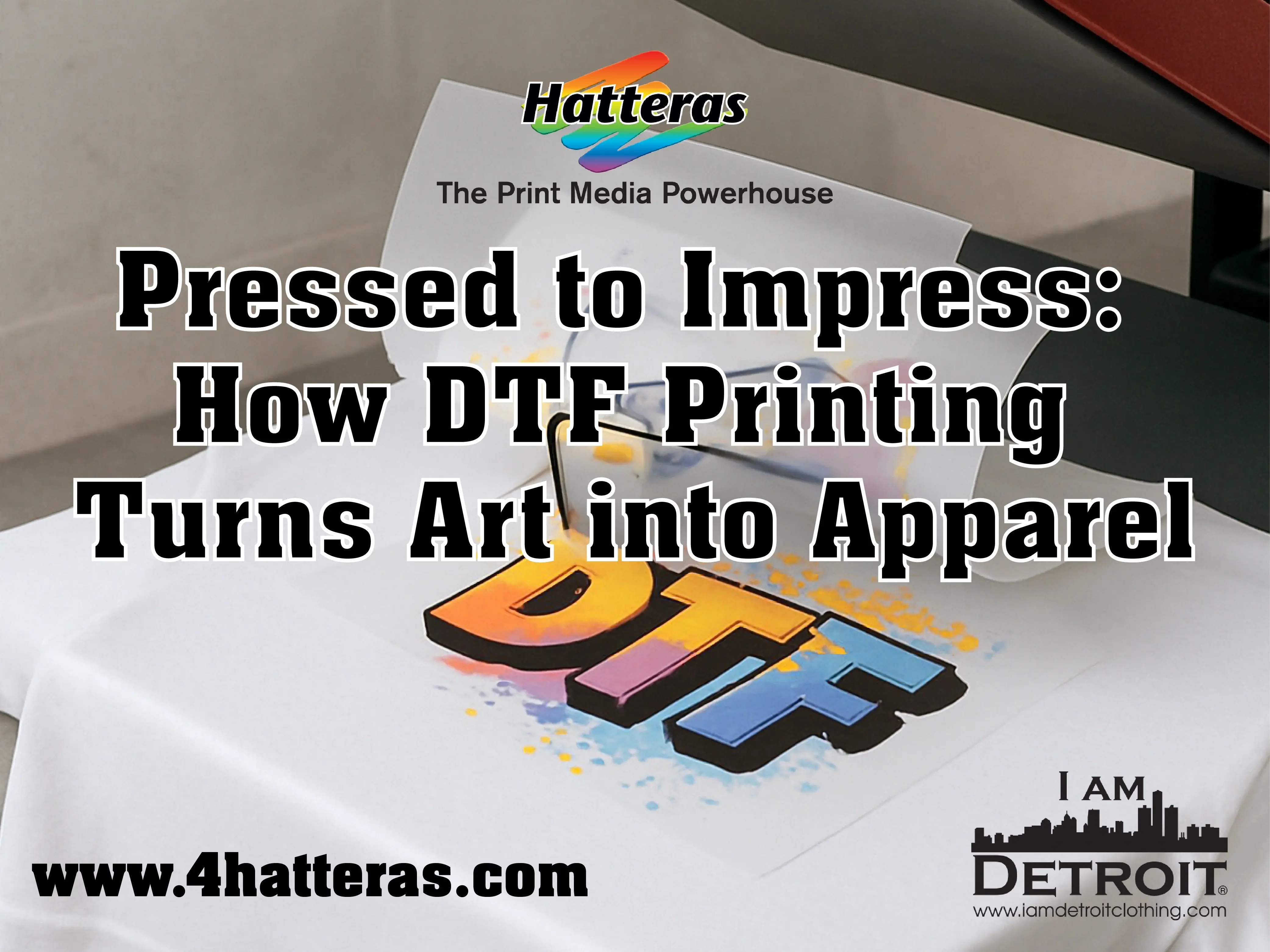
In the fast-paced world of custom apparel, staying ahead means embracing new ways to make your designs pop. Brands and designers alike are constantly seeking methods to create eye-catching, durable graphics without blowing the budget or compromising comfort. That’s where DTF printing, or Direct-to-Film, comes in.
Whether you’re a small business owner, part of a marketing team, or building your merch line, knowing how DTF printing works can help you make smarter, more affordable choices for your custom apparel.
So, what exactly is DTF printing, and why is it generating so much buzz? Let’s explore.
What Is DTF Printing?
DTF printing (Direct-to-Film) is a relatively new technology in garment decoration. It involves printing designs onto a special PET film using water-based inks and then applying a powder adhesive to the print. Once dried and cured, the film transfer is heat-pressed directly onto a garment, bonding the design to the fabric.
It’s called “Direct-to-Film” because the design is printed onto a film (rather than directly onto the garment, like DTG or direct-to-garment printing), but it transfers onto the fabric using heat and pressure.
How DTF Works (Step-by-Step):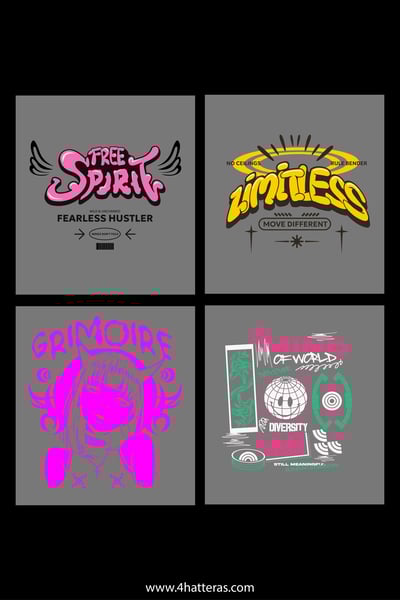
-
Design Created: Artwork is created and finalized digitally, with a focus on high-resolution graphics.
-
Printing: The design is printed onto a clear PET film using a special DTF printer with CMYK and white ink layers.
-
Adhesive Powder: A hot-melt powder is applied to the printed image, adhering to the ink.
-
Curing: The film is heated to cure the adhesive, making it ready for transfer.
-
Transfer to Garment: The film is aligned with the garment and heat-pressed, bonding the image to the fabric.
-
Peel & Done: After cooling, the film is peeled off, leaving behind a smooth, detailed print.
How Is DTF Printing Different from Screen Printing?
While both methods are used to decorate apparel, DTF printing and screen printing are two distinct techniques, each with its own unique strengths and ideal use cases.
Here’s a side-by-side comparison:
| Feature | DTF Printing | Screen Printing |
|---|---|---|
| Setup Time | Low | High |
| Best For | Short runs, full-color designs, photo-realistic images | Large orders, limited colors, simple graphics |
| Color Limitations | Virtually unlimited (full CMYK color range) | Typically, 1–6 spot colors per design |
| Fabric Compatibility | Works on cotton, polyester, blends, denim, and more | Works best on cotton and some blends |
| Detail Reproduction | Excellent (great for small text and fine lines) | Good, but the detail may be limited by mesh count |
| Cost Per Shirt | Higher for large runs, but ideal for small batches | Lower per unit for bulk orders |
| Durability | Strong and stretch-resistant | Extremely durable when cured properly |
Why DTF Printing Is Gaining Popularity
-
No Minimum Orders: One of the most significant selling points of DTF printing is the ability to produce one-offs or small batch orders without needing to burn screens or set up multiple layers of color. This is a game-changer for small businesses, artists, and influencers who want to test designs or sell limited drops.
-
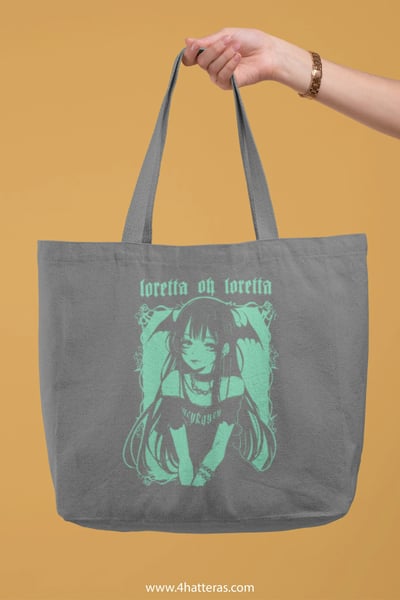
Full-Color, Photo-Realistic Designs: DTF printing allows for complex, vibrant images that are simply impossible with screen printing. From gradients and shadows to high-resolution photographs, DTF can do it all without needing multiple screens or expensive color separations.
-
Fast Turnaround: Since there’s minimal setup, you can quickly move from design to finished garment. That makes DTF perfect for last-minute events, on-demand printing, or situations where you want to keep inventory lean.
-
Versatility Across Fabrics: While traditional screen printing can struggle with synthetic fabrics or require different ink types, DTF printing works well on a wide range of materials, including cotton, polyester, fleece, nylon, canvas, and more, without bleeding or fading.
-
Soft, Flexible Feel: Despite its durability, DTF prints remain soft and stretchable, especially after the first wash. This means the graphic won’t crack, peel, or feel like a heavy patch on your chest.
What’s the Catch?
DTF isn’t perfect for every project. If you're printing thousands of shirts with a simple 1- or 2-color logo, traditional screen printing is still more cost-effective at scale. And while DTF is impressive, it doesn’t have quite the same level of color vibrancy and ink saturation as plastisol screen prints for bold, flat designs.
Additionally, DTF prints require precise temperature and pressure control during transfer to avoid imperfections, which necessitates investing in high-quality equipment or collaborating with a reliable print partner, such as Hatteras.
Final Thoughts: Which Should You Choose?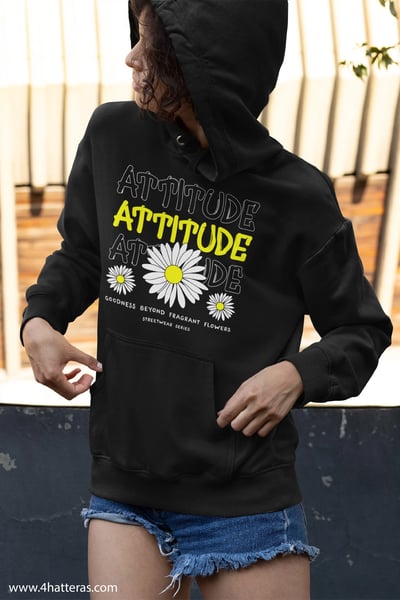
It’s not about one method replacing the other; it’s about choosing the right tool for the job.
-
Use DTF if you want to print detailed, colorful designs on-demand, in small batches, or across multiple fabric types.
-
Use Screen Printing when you’re producing bulk orders of simple graphics and want that traditional ink-on-fabric look and feel.
No matter what kind of merch, uniform, or event apparel you’re planning, understanding the strengths of DTF printing can give you more creative freedom and flexibility.
Do you want to try DTF for your next project?
Let’s make something you’ll be proud to press. Visit www.4hatteras.com to view samples, obtain quotes, or begin designing.

Related Posts
Essential Tips for Publishers On Book Printing and Binding
Books have been a cornerstone of human knowledge and culture for centuries. From ancient...
Merchandising & Screen Printing Intern
Where do you attend college, and what is your major? What is your favorite class? When is your...
Screen Printer and Embroidery Expert
What is your role at Hatteras?
I am part of the team that started the embroidery and screen...